

Fostering Empowerment or Dependency? As a SMB business owner, president or CEO are you frustrated with your YTD results? Is there a gap or delta between your key performance indicators (KPI’s) or objectives, key results (OKR’s)?
Organizational culture plays a pivotal role in shaping how leadership is perceived and practiced within a company. Two prevalent cultural paradigms are Leader/Leader and Leader/Follower, each with distinct characteristics and consequences.
Leader/Leader Culture: Today a Leader/Leader culture emphasizes a shared sense of responsibility and empowerment among team members. In this environment, leadership is distributed, not confined to a single figurehead. Key attributes of this culture include:
- Empowerment: In Leader/Leader cultures, individuals are encouraged to take ownership of their work and decisions. Leaders here act as guides and mentors, helping team members develop their skills and make informed choices.
- Collaboration: Team members collaborate freely, sharing ideas and contributing to problem-solving. The emphasis is on collective intelligence, where everyone’s perspective is valued.
- Innovation: When individuals feel empowered and valued, they are more likely to innovate and experiment. Leader/Leader cultures often foster a creative environment that leads to continuous improvement.
- Accountability: Everyone is held accountable for their actions and decisions. This accountability drives a strong sense of commitment and responsibility.
Leader/Follower Culture: On the other hand, a Leader/Follower culture revolves around a top-down hierarchy, where leadership is centralized. This culture can have the following characteristics:
- Dependency: In Leader/Follower cultures, employees may become overly reliant on their leaders for guidance and decisions. This dependency can hinder personal growth and autonomy.
- Limited Innovation: The rigid hierarchy may stifle innovation and creativity since decisions are often made by a select few at the top.
- Control: Leaders in this culture may exercise a high degree of control over processes and outcomes, potentially limiting the team’s ability to adapt to changing circumstances.
- Compliance: Employees often follow orders without question in Leader/Follower cultures, which may lead to a lack of ownership and personal investment in the organization’s success.
In summary, the primary distinction between Leader/Leader and Leader/Follower cultures lies in the distribution of power and responsibility. Leader/Leader cultures promote empowerment, collaboration, and innovation, while Leader/Follower cultures tend to foster dependency, limited innovation, and control.
Organizations must carefully consider the type of culture they want to cultivate, as it significantly impacts employee engagement, morale, and overall performance. A balanced approach, combining elements of both cultures where appropriate, can be a strategic choice to harness the strengths of each and create a dynamic, adaptive workplace culture. Ultimately, the right cultural paradigm depends on the organization’s goals, values, and vision for the future.
L. David Marquet’s book “Turn the Ship Around!” is a true story on how a US Naval Captain turned around one of the worst performing submarines in less than 2 years. He proved it can be done. Imagine what could be possible with your employees thinking like an owner. What would accountability at the doer level and ownership throughout your leadership team and organization look like?
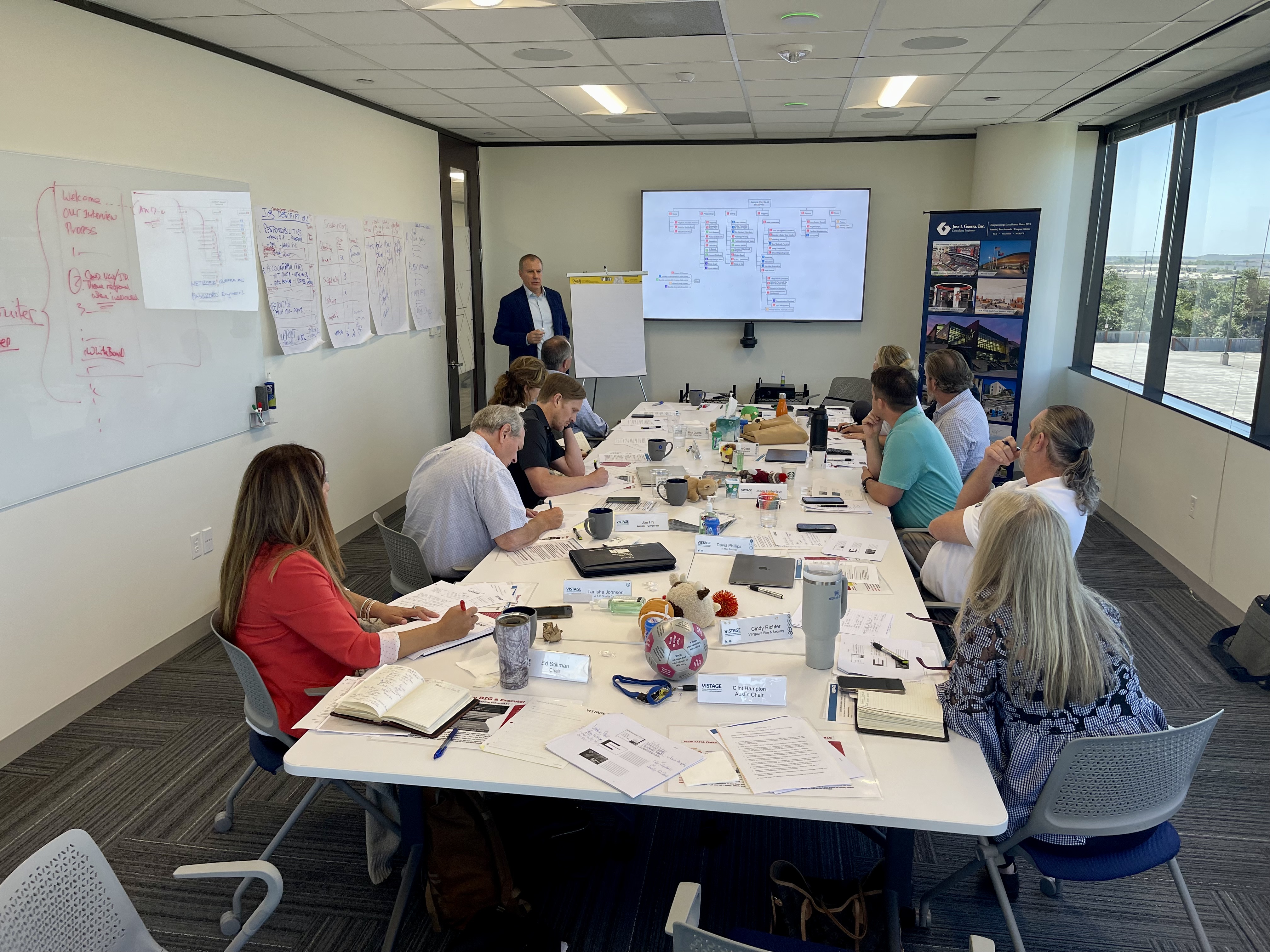
If you are a business owner in Austin Texas, frustrated with your YTD results, consider looking into a Vistage CEO peer advisory group with 12 to 16 SMB leaders.
Ed Stillman, Austin Chair serving my SMB members since 2006. It’s one of best jobs in Central Texas.

